Cloud CRM solutions offer a modern approach to managing customer relationships, enhancing productivity, and optimizing business processes. Dive into the world of cloud CRM solutions and discover how they revolutionize the way organizations operate.
Introduction to Cloud CRM Solutions
Cloud CRM solutions refer to Customer Relationship Management systems that are hosted on remote servers and accessed through the internet. Unlike traditional CRM systems that are installed on-premises, cloud CRM solutions offer the flexibility of accessing data from anywhere with an internet connection.
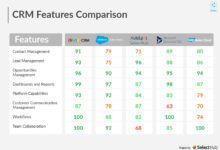

One of the key benefits of using cloud CRM solutions for businesses is the cost-effectiveness and scalability they provide. Organizations can avoid upfront hardware and software costs associated with traditional CRM systems and only pay for the services they use. Additionally, cloud CRM solutions can easily scale with the growth of the business without requiring significant investments in infrastructure.
Some key features of cloud CRM solutions that make them popular among organizations include real-time data access, automated processes, customizable dashboards, and integration with other business applications. These features help businesses streamline their customer interactions, improve efficiency, and make data-driven decisions.
Successful businesses that have implemented cloud CRM solutions include Salesforce, HubSpot, and Zoho CRM. These companies have leveraged cloud CRM technology to enhance their customer relationships, increase sales productivity, and drive business growth.
When comparing the costs associated with implementing and maintaining cloud CRM solutions versus traditional CRM systems, businesses often find that cloud CRM solutions are more cost-effective in the long run. With cloud CRM, organizations can avoid large upfront investments and instead pay a monthly subscription fee based on their usage.
Migrating data from a traditional CRM system to a cloud-based CRM solution involves several steps such as data cleansing, mapping, and testing. It is essential to ensure data accuracy and integrity during the migration process to prevent any loss or corruption of information.
Security measures in cloud CRM solutions typically include data encryption, user authentication, access controls, and regular data backups. These measures help protect sensitive customer information and ensure data privacy and compliance with regulations.
Implementing Cloud CRM Solutions
Implementing cloud CRM solutions in a company involves several steps to ensure a successful deployment. One must carefully plan and execute each phase to maximize the benefits of using cloud-based CRM software.
Steps for Implementing Cloud CRM Solutions
- 1. Needs Assessment: Identify the specific requirements and challenges that the CRM solution needs to address within the organization.
- 2. Solution Selection: Research and choose the most suitable cloud CRM software that aligns with the company’s goals and budget.
- 3. Data Migration: Transfer existing customer data and information to the cloud CRM platform accurately and securely.
- 4. Customization: Tailor the CRM system to meet the unique needs of the organization by configuring settings, workflows, and integrations.
- 5. Training and Adoption: Provide comprehensive training to employees on how to use the new CRM system effectively to ensure smooth adoption.
- 6. Testing and Optimization: Conduct testing phases to identify any issues or areas for improvement and optimize the system accordingly.
- 7. Go-Live and Support: Launch the cloud CRM solution across the organization and provide ongoing support to address any issues or questions that may arise.
Best Practices for Successful Deployment
- • Involve key stakeholders from different departments in the decision-making process to ensure buy-in and collaboration.
- • Establish clear goals and objectives for the CRM implementation to track progress and measure success.
- • Regularly communicate with employees about the benefits of using the new CRM system and provide continuous training and support.
- • Monitor and analyze data generated by the CRM software to make informed business decisions and improve customer relationships.
Challenges and Solutions
- • Integration Issues: Ensure seamless integration with existing systems through proper planning and testing.
- • Data Security Concerns: Implement robust security measures and protocols to protect sensitive customer information stored in the cloud.
- • Resistance to Change: Address resistance by highlighting the advantages of the new CRM system and offering support throughout the transition.
- • Scalability: Choose a cloud CRM solution that can scale with the company’s growth and evolving needs to avoid limitations in the future.
Customization and Integration
Customization and integration play a crucial role in maximizing the effectiveness of cloud CRM solutions for businesses. Tailoring the CRM system to meet specific business requirements and seamlessly integrating it with other software tools can lead to improved efficiency and productivity. Let’s delve deeper into the importance of customization and integration in cloud CRM solutions.
Importance of Customization
Customization in cloud CRM solutions is essential as it allows businesses to adapt the system to their unique needs and workflows. By customizing fields, layouts, and functionalities, companies can ensure that the CRM solution aligns perfectly with their business processes. This tailored approach not only enhances user adoption but also increases the overall efficiency and effectiveness of the CRM system.
Integration Capabilities
Cloud CRM solutions offer extensive integration capabilities, allowing businesses to connect their CRM system with other essential tools such as marketing automation platforms, email marketing software, and accounting systems. This seamless integration enables data sharing across different platforms, eliminates manual data entry tasks, and provides a unified view of customer interactions. By integrating their CRM solution with other software, businesses can streamline processes, improve collaboration, and gain valuable insights into customer behavior.
Successful Customization and Integration Examples
One example of successful customization and integration is a retail company that customized their cloud CRM solution to include a loyalty program module tailored to their customer engagement strategy. By integrating this customized CRM solution with their POS system, the company was able to track customer interactions, reward loyal customers, and analyze purchase history effectively. This integration led to increased customer satisfaction, repeat business, and revenue growth.
Steps for Customizing a Cloud CRM Solution
1. Identify specific business requirements and objectives.
2. Customize fields, layouts, and workflows to align with business processes.
3. Test the customized CRM solution to ensure functionality and usability.
4. Train users on the new features and functionalities.
5. Monitor and evaluate the effectiveness of the customization over time.
Key Factors for Integration
– Compatibility of systems and software.
– Data mapping and synchronization.
– Security protocols and data privacy compliance.
– User training and support.
– Scalability and future-proofing.
Comparison of Customization in Leading Cloud CRM Solutions
| CRM Provider | Customization Options |
|---|---|
| Salesforce | Extensive customization through point-and-click tools, workflows, and custom objects. |
| HubSpot | Customizable dashboards, email templates, and reporting tools for tailored user experiences. |
| Zoho | Custom modules, fields, and layouts with flexibility to create custom functions and workflows. |
A real-world scenario where customization of a cloud CRM solution led to a significant improvement in business operations is a telecommunications company that customized their CRM system to automate lead scoring and routing based on customer behavior and engagement levels. This customization resulted in more qualified leads being assigned to the sales team, leading to an increase in conversion rates and revenue.
Security and Compliance
In the realm of cloud CRM solutions, ensuring security and compliance is paramount to safeguard sensitive data and maintain trust with customers.
Security Measures
- Encryption: Data transmitted between the user and the cloud CRM system is encrypted using secure protocols to prevent interception.
- Role-based Access Control: Access to data is restricted based on roles and responsibilities, reducing the risk of unauthorized access.
- Regular Security Audits: Cloud CRM providers conduct regular security audits to identify vulnerabilities and ensure compliance with industry standards.
- Firewalls and Intrusion Detection Systems: These are implemented to monitor and prevent unauthorized access to the system.
Compliance Standards
- GDPR (General Data Protection Regulation): Cloud CRM solutions must comply with GDPR regulations to protect the personal data of European Union citizens.
- HIPAA (Health Insurance Portability and Accountability Act): For healthcare organizations using cloud CRM, adherence to HIPAA standards is crucial to protect patient data.
- PCI DSS (Payment Card Industry Data Security Standard): Compliance with PCI DSS is necessary for cloud CRM solutions handling payment card information.
Data Privacy and Unauthorized Access Prevention
Cloud CRM solutions ensure data privacy by implementing measures such as:
- Multi-factor Authentication: Adding an extra layer of security by requiring users to provide multiple forms of verification.
- Data Encryption at Rest: Data stored in the cloud CRM system is encrypted to prevent unauthorized access in case of a breach.
- Regular Security Updates: Keeping the system up to date with the latest security patches to address any vulnerabilities.
Scalability and Flexibility
Cloud CRM solutions offer key features that make them highly scalable in handling business growth. These features include:
– Elasticity: Cloud CRM solutions can easily accommodate an increase in users, data, and transactions without the need for significant infrastructure changes. This elasticity allows businesses to scale their CRM system as needed.
– Pay-as-you-go: With a subscription-based model, organizations can easily adjust the number of users or features they require, making it cost-effective to scale the CRM solution based on business needs.
– Global Accessibility: Cloud CRM solutions can be accessed from anywhere with an internet connection, allowing businesses to expand internationally without worrying about infrastructure limitations.
In comparison to traditional on-premise CRM systems, cloud CRM solutions offer superior scalability due to their ability to quickly adapt to changing business requirements. Organizations can easily increase or decrease their usage of cloud CRM solutions by adding or removing users, features, or storage capacity without the need for extensive IT resources or infrastructure upgrades.
Data migration and integration capabilities play a crucial role in maintaining the flexibility of cloud CRM solutions. These capabilities enable seamless transfer of data from existing systems to the cloud CRM platform, ensuring continuity of operations and a smooth transition for the organization. Additionally, integration with other business applications allows for a unified view of customer data and interactions, enhancing the overall flexibility of the CRM system.
Real-world scenarios abound where businesses have successfully adapted their cloud CRM systems to meet evolving business requirements. For example, a growing e-commerce company expanded its customer base rapidly and seamlessly integrated its cloud CRM solution with its online store, social media platforms, and email marketing tools to provide personalized customer experiences at scale. This enabled the company to efficiently manage customer relationships and drive business growth while maintaining flexibility and scalability in its CRM operations.
User Experience and Interface
User experience design plays a crucial role in the effectiveness of cloud CRM solutions. It determines how easily users can navigate the system, access information, and perform tasks efficiently. The interface of a cloud CRM solution should be intuitive, visually appealing, and responsive to user interactions to enhance productivity and user satisfaction.
Analyze the User Experience Design
User experience design in cloud CRM solutions focuses on simplifying complex processes and making them user-friendly. It involves elements such as layout, navigation, interactive features, and customization options to optimize the overall user experience. By analyzing the design aspects, businesses can identify areas for improvement and enhance user engagement.
- Ensure clear and logical navigation paths to help users find information quickly.
- Provide customizable dashboards and reports to cater to individual user preferences.
- Implement responsive design for seamless access across different devices.
- Incorporate interactive features like drag-and-drop functionality for a more engaging user experience.
Compare User Interfaces
Different cloud CRM solutions offer varying user interfaces that impact how users interact with the system. Some may prioritize simplicity and minimalism, while others focus on providing a wide range of features and customization options. Comparing user interfaces can help businesses choose a solution that aligns with their specific needs and enhances productivity.
- Consider the layout and organization of elements on the interface for ease of use.
- Evaluate the accessibility of key features and functionalities for quick access.
- Assess the visual design and aesthetics to ensure a pleasant user experience.
- Look for customization options that allow users to personalize their interface according to their workflow.
Tips for Optimizing User Experience
Optimizing the user experience of cloud CRM solutions involves continuous refinement and adaptation to meet user requirements and preferences. By implementing the following tips, businesses can maximize efficiency and usability, leading to improved productivity and user satisfaction.
- Provide comprehensive training and support to help users familiarize themselves with the system.
- Gather feedback from users to identify pain points and areas for improvement in the user experience.
- Regularly update the interface based on user feedback and emerging design trends.
- Conduct usability testing to ensure the interface is intuitive and user-friendly for all users.
Mobile Accessibility
Mobile accessibility is a crucial aspect of cloud CRM solutions, especially in today’s remote work environment. With the increasing reliance on smartphones and tablets for work-related tasks, the ability to access CRM systems on the go is essential for productivity and efficiency.
Enhanced Features for Mobile User Experience
- Responsive Design: Cloud CRM solutions with responsive design automatically adjust to different screen sizes, providing a seamless user experience across various devices.
- Mobile Apps: Dedicated mobile applications offer optimized interfaces and functionalities tailored specifically for mobile users, allowing access to CRM data and features conveniently.
- Offline Access: Some cloud CRM solutions provide offline access capabilities, enabling users to view and edit data even without an internet connection, ensuring uninterrupted work.
- Push Notifications: Push notifications keep users informed of updates, reminders, or important activities within the CRM system, enhancing communication and engagement.
Organizations Benefiting from Mobile Accessibility
- XYZ Corporation: XYZ Corporation implemented a cloud CRM solution with robust mobile accessibility features, enabling their sales team to access real-time customer data, update records, and communicate effectively while on the field. This resulted in improved sales performance and customer satisfaction.
- ABC Inc.: ABC Inc. integrated a cloud CRM solution with a mobile app that allowed their customer service representatives to respond to inquiries, resolve issues, and access customer histories from anywhere, leading to quicker response times and enhanced customer experiences.
Data Analytics and Reporting
Data analytics and reporting play a crucial role in maximizing the benefits of cloud CRM solutions. By leveraging data analytics, businesses can gain valuable insights that drive informed decision-making and improve overall performance. Let’s delve deeper into how cloud CRM solutions utilize data analytics and reporting.
Utilizing Data Analytics for Actionable Insights
Data analytics in cloud CRM solutions involve the process of collecting, organizing, and analyzing vast amounts of customer data to extract valuable insights. By utilizing advanced analytics tools, businesses can identify trends, patterns, and correlations within their customer data. This enables businesses to make data-driven decisions, personalize customer interactions, and optimize their marketing strategies for better results.
Showcasing Reporting Capabilities for Performance Tracking
Cloud CRM solutions offer robust reporting capabilities that allow businesses to track and measure their performance effectively. With customizable reporting dashboards, businesses can monitor key metrics, track sales performance, analyze customer behavior, and evaluate the effectiveness of their marketing campaigns. These reports provide valuable insights into the overall health of the business and help in identifying areas for improvement.
Role of Data Visualization in Decision-making
Data visualization plays a critical role in enhancing decision-making within cloud CRM solutions. By presenting complex data in visual formats such as charts, graphs, and dashboards, businesses can easily interpret and understand the insights derived from their data analytics. Visual representations of data make it easier for decision-makers to identify trends, patterns, and outliers, enabling them to make informed decisions quickly and effectively.
Customer Support and Training
Customer support and training are crucial aspects of ensuring the successful implementation and use of cloud CRM solutions. Effective support options and training programs can make a significant difference in how well employees adapt to and utilize the CRM system.
Customer Support Options
- 24/7 Helpdesk Support: Providing round-the-clock assistance for any technical issues or queries that users may encounter.
- Online Knowledge Base: Offering a comprehensive database of articles, FAQs, and tutorials for self-help and troubleshooting.
- Live Chat Support: Allowing real-time interaction with support agents for immediate assistance.
Effective Training Strategies
- Hands-On Workshops: Conducting interactive training sessions to give employees practical experience in using the CRM system.
- Customized Training Modules: Developing tailored training materials based on the specific needs and roles of different user groups.
- Continuous Learning: Providing ongoing training opportunities to ensure that users stay updated on new features and best practices.
Companies with Excellent Support and Training Programs
- Salesforce: Known for its extensive online resources, webinars, and certification programs to support users at all levels.
- HubSpot: Offers personalized onboarding and training sessions, along with a dedicated support team for assistance.
- Zoho CRM: Provides 24/7 phone support, live chat, and a vast library of training videos for users.
Cost Efficiency and ROI
In today’s business landscape, cost efficiency and return on investment (ROI) are critical factors to consider when implementing any new technology. Cloud CRM solutions offer a promising opportunity to streamline operations and improve customer relationships while optimizing costs and maximizing ROI.
Calculating Cost Savings and ROI
- Calculate the cost savings of using cloud CRM solutions compared to traditional on-premise systems by analyzing factors such as hardware costs, maintenance fees, and IT support expenses.
- Analyze the return on investment (ROI) of implementing cloud CRM solutions by measuring the increase in productivity, revenue growth, and customer retention rates.
- Strategies for optimizing costs and maximizing ROI with cloud CRM solutions include leveraging automation, data analytics, and integrating other business systems for a seamless workflow.
Cost Comparison and ROI Calculation
| Cost Category | Cloud CRM | On-Premise CRM |
|---|---|---|
| Initial Setup Costs | Lower upfront costs | Higher initial investment |
| Maintenance Fees | Subscription-based pricing | Ongoing maintenance costs |
| Scalability Expenses | Pay-as-you-go model | Additional costs for scaling |
By transitioning from on-premise CRM to cloud-based CRM, businesses can achieve significant cost savings and improved ROI through enhanced efficiency and scalability.
Key Performance Indicators for Cost Efficiency
- Customer Acquisition Cost (CAC)
- Customer Lifetime Value (CLV)
- Conversion Rates
- Churn Rate
Utilizing data-driven insights and focusing on key performance indicators can help businesses evaluate the cost efficiency and ROI of cloud CRM solutions effectively.
Industry-specific Applications
In the realm of cloud CRM solutions, different industries have unique needs and requirements that can be effectively addressed through industry-specific applications. These tailored solutions offer specialized features and functionalities that cater to the specific demands of various sectors, leading to improved efficiency and customer satisfaction.
Healthcare vs. Retail: A Comparative Analysis
- Healthcare sector: Cloud CRM solutions in healthcare are focused on patient management, appointment scheduling, and personalized care delivery. Case studies show improved patient outcomes and streamlined operations.
- Retail sector: In retail, cloud CRM solutions enhance customer engagement, loyalty programs, and inventory management. Successful implementations have resulted in increased sales and customer retention.
- Advantages of industry-specific solutions: Industry-specific cloud CRM solutions offer tailored features that better align with sector requirements, leading to optimized performance and customer satisfaction.
Financial Services: Tailoring CRM for Success
- Financial services sector: Cloud CRM solutions in finance focus on lead management, client onboarding, and compliance. These solutions are customized to meet regulatory requirements and enhance client relationships.
- Features for finance: Specialized tools like automated workflows, document management, and compliance tracking are essential for the financial services sector to ensure data security and regulatory compliance.
Hospitality Industry: Key Features for Success
- Hospitality sector: Cloud CRM solutions in hospitality streamline reservations, guest services, and feedback management. Key features include guest profiles, loyalty programs, and personalized experiences to enhance guest satisfaction.
- Essential features: Integration with booking systems, automated communication, and guest feedback analysis are crucial for the hospitality industry to deliver exceptional customer service and drive repeat business.
Manufacturing Sector: Specialized Tools for Efficiency
- Manufacturing industry: Industry-specific cloud CRM solutions focus on supply chain management, order tracking, and production scheduling. These solutions offer tools for inventory control, vendor management, and quality assurance.
- Tools for efficiency: Features like real-time production monitoring, demand forecasting, and supplier collaboration are essential for manufacturers to optimize operations and meet customer demand.
Telecommunications: Impact on Customer Engagement
- Telecom sector: Cloud CRM solutions in telecommunications improve customer engagement, service delivery, and billing management. Real-world examples showcase enhanced customer interactions, personalized offers, and efficient issue resolution.
- Customer engagement: Features like omnichannel communication, personalized marketing campaigns, and predictive analytics help telecom companies build stronger customer relationships and drive business growth.
Customization Options: Industry-specific vs. Generic Platforms
- Industry-specific solutions: Cloud CRM solutions tailored to specific industries offer deeper customization options to address sector-specific needs and workflows.
- Generic platforms: While generic CRM solutions provide flexibility, industry-specific solutions offer specialized features and integrations that enhance productivity and customer satisfaction.
Future Trends in Cloud CRM
The future of Cloud CRM solutions is poised for exciting advancements and innovations that will revolutionize the way businesses interact with their customers. Let’s delve into some key trends that are expected to shape the landscape of Cloud CRM in the coming years.
AI Integration in Cloud CRM
Artificial Intelligence (AI) is set to play a significant role in enhancing the capabilities of Cloud CRM systems. In the next 5 years, we can expect to see AI features like predictive analytics, chatbots for customer support, and AI-driven recommendations becoming commonplace in Cloud CRM solutions.
Blockchain Technology and Security
Blockchain technology has the potential to transform the security and data management aspects of Cloud CRM systems. By implementing blockchain, companies can ensure secure transactions, protect customer data, and maintain a transparent and tamper-proof record of interactions.
Machine Learning for Personalization
Machine learning algorithms are already making waves in personalizing customer experiences in Cloud CRM platforms. In the future, these algorithms will continue to evolve, providing deeper insights into customer behavior, preferences, and trends, enabling businesses to tailor their services more effectively.
Voice-Activated Assistants in User Interactions
Voice-activated assistants like Alexa and Google Assistant are revolutionizing user interactions within Cloud CRM applications. In the coming years, we can expect to see these assistants playing a more integral role in simplifying tasks, providing real-time information, and enhancing overall user experience.
Evolution of Cloud CRM Interfaces with AR/VR
The evolution of Cloud CRM interfaces is moving towards immersive experiences using Augmented Reality (AR) and Virtual Reality (VR) technologies. This shift will enable users to interact with CRM systems in more intuitive and engaging ways, leading to enhanced productivity and user satisfaction.
Best Practices for Cloud CRM Implementation
Implementing a cloud CRM solution requires careful planning and execution to ensure its success. Below are some key best practices to consider for selecting, implementing, and optimizing cloud CRM solutions.
Data Security Measures in Cloud CRM Implementation
When implementing a cloud CRM solution, data security should be a top priority. It is essential to implement robust security measures to protect sensitive customer information. This includes encryption, access controls, regular security audits, and compliance with data protection regulations such as GDPR.
Employee Training on Cloud CRM System
Effective training is crucial for the successful adoption of a new cloud CRM system. Organizations should provide comprehensive training programs to educate employees on how to use the system effectively. This can include hands-on workshops, online tutorials, and ongoing support to address any questions or issues that may arise.
Examples of Successful Cloud CRM Integration Strategies
Real-world business scenarios provide valuable insights into successful cloud CRM integration strategies. Companies that have seamlessly integrated cloud CRM solutions often focus on aligning the system with their existing processes, customizing it to meet specific business needs, and ensuring smooth data migration and integration with other tools and systems.
Ending Remarks
Embracing cloud CRM solutions can lead to increased efficiency, improved customer satisfaction, and streamlined operations. Stay ahead of the curve by harnessing the power of cloud technology for your business.
