Open Source CRM opens up a world of possibilities for businesses looking to streamline their customer relationship management. Dive into this detailed guide to explore the ins and outs of implementing and integrating open source CRM solutions.
Introduction to Open Source CRM
Open Source CRM, or Customer Relationship Management, refers to CRM software that is developed and distributed with an open-source license, allowing users to access and modify the source code. This provides flexibility, customization options, and cost-effectiveness compared to proprietary CRM systems.
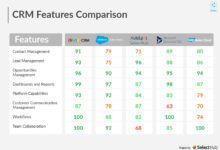

Open Source CRM offers several benefits, such as:
– Cost-effectiveness: Open Source CRM software is typically free to use, with users only needing to pay for hosting and support if required.
– Flexibility and customization: Users can modify the source code to tailor the CRM system to their specific needs and integrate it with other tools and systems.
– Community support: Open Source CRM software is often supported by a community of developers who contribute to its improvement and provide assistance to users.
When compared to proprietary CRM systems, Open Source CRM offers more control, transparency, and cost savings, making it an attractive option for businesses of all sizes.
Some popular examples of Open Source CRM software include:
– SuiteCRM: A feature-rich CRM system that offers a wide range of functionalities and customization options.
– SugarCRM: A flexible CRM platform that can be tailored to suit various industries and business requirements.
– Vtiger CRM: An easy-to-use CRM solution that includes features for sales, marketing, and customer support.
Comparison with Proprietary CRM Systems
When comparing Open Source CRM with proprietary CRM systems, it is essential to consider factors such as cost, flexibility, support, and scalability. Open Source CRM provides businesses with more control over their CRM software and allows for customization without vendor lock-in. Additionally, the open-source community can contribute to the continuous improvement of the software, ensuring its relevance and reliability in the long run.
Features of Open Source CRM
Open Source CRM systems offer a range of features to help businesses manage customer relationships effectively. These features include:
Key Features
- Lead management
- Opportunity tracking
- Contact management
- Sales forecasting
- Customer service and support
- Marketing automation
- Reporting and analytics
Customization Options
Open Source CRM solutions provide extensive customization options, allowing users to tailor the system to their specific needs. This includes custom fields, workflows, and user permissions.
Integration with Other Tools
Integration with other tools such as email marketing platforms, accounting software, and e-commerce systems is typically handled through APIs or plugins, ensuring seamless data flow between systems.
Security Features
Open Source CRM platforms prioritize security, offering features such as role-based access control, data encryption, and regular security updates to protect sensitive customer data.
Popular Open Source CRM Platforms
Some popular Open Source CRM platforms include SuiteCRM, SugarCRM, and Vtiger CRM, each offering unique features and functionalities to meet different business requirements.
User Interface Design
The user interface design of Open Source CRM systems varies across platforms, with some focusing on simplicity and ease of use, while others offer more advanced features and customization options.
Data Migration Process
When switching to an Open Source CRM solution, businesses need to carefully plan and execute the data migration process to ensure a smooth transition. This involves exporting data from the existing system, mapping it to the new system’s format, and importing it into the new CRM.
Community Support
Users of Open Source CRM software can benefit from a strong community support system, where they can access forums, documentation, and user groups to seek help, share knowledge, and collaborate with other users.
Implementation of Open Source CRM
Setting up an Open Source CRM system involves several key steps, from installation to customization and data migration. Let’s delve into the details below.
Installation Process and Configuration Settings
- Download the Open Source CRM software from the official website or repository.
- Follow the installation instructions provided, which typically involve running an installer wizard.
- Configure the CRM settings such as user permissions, email integration, and custom fields according to your organization’s requirements.
Hardware Requirements
- Minimum RAM: 2GB or higher for optimal performance.
- CPU: Dual-core processor or better.
- Storage Capacity: 20GB or more, depending on the size of your database and files.
Compatible Operating Systems and Databases
- Operating Systems: Linux, Windows, macOS.
- Databases: MySQL, PostgreSQL, SQLite.
Customizing CRM Interface
- Modify the color scheme, logo, and layout to reflect your brand identity.
- Add custom fields, modules, or workflows to tailor the CRM to your specific business processes.
Data Migration Process
- Export data from your existing CRM system in a compatible format.
- Map fields and import the data into Open Source CRM, ensuring data integrity and accuracy.
- Anticipate challenges such as data mapping discrepancies and duplicate records during migration.
User Roles and Permissions
- Create role-based access control to restrict user permissions based on job roles.
- Define user roles such as admin, sales manager, and customer support with specific access levels.
Backups and System Updates
- Regularly backup your CRM database and files to prevent data loss in case of system failures.
- Update the CRM software and plugins to the latest versions to patch security vulnerabilities and improve performance.
Integrating Third-Party Plugins
- Explore the marketplace for CRM plugins or extensions that extend the functionality of your CRM.
- Install and configure plugins for features such as email marketing, reporting, and social media integration.
Troubleshooting Tips
- Check system logs for error messages and investigate the root cause of issues.
- Consult online forums, user guides, or community support for common problems and solutions.
Customization and Configuration in Open Source CRM
In Open Source CRM, customization and configuration play a vital role in tailoring the system to meet the specific needs of a business. This involves tweaking fields, workflows, and access controls to optimize the CRM platform for efficiency and effectiveness.
Customizing Fields in Open Source CRM
To customize fields in Open Source CRM, follow these steps:
- Access the CRM platform’s admin panel and navigate to the settings or customization section.
- Select the module or entity for which you want to add or modify fields.
- Click on the option to create a new custom field and specify the field type, label, and other relevant details.
- Save your changes and ensure the new field is properly integrated into the module’s layout for users to interact with.
Creating Custom Workflows
Users can create custom workflows in Open Source CRM by:
- Identifying the specific processes or sequences they want to automate or streamline.
- Accessing the workflow management tool within the CRM system to define triggers, actions, and conditions for each step.
- Testing the workflow to ensure it functions as intended and addresses the business requirements effectively.
- Deploying the custom workflow across relevant modules to enhance productivity and consistency in operations.
Comparison of Customization Options
Popular Open Source CRM platforms offer varying degrees of customization options, with some providing more flexibility and advanced features compared to others. It is essential to evaluate the customization capabilities of each platform to determine the best fit for your business requirements.
Data Migration and Integration
Data migration and integration play a crucial role when customizing fields and workflows in Open Source CRM. It is necessary to ensure seamless transfer of existing data and smooth integration with third-party applications to maintain data integrity and functionality.
User Permissions and Access Controls
Managing customized configurations effectively requires defining user permissions and access controls within the Open Source CRM system. By setting clear roles and restrictions, businesses can prevent unauthorized access and ensure data security while leveraging customized features.
Testing and Validation Best Practices
Before deploying customizations in a production environment, it is recommended to:
- Create a testing environment to simulate real-world usage scenarios and validate customizations.
- Engage key stakeholders and end-users in the testing phase to gather feedback and address any issues or discrepancies.
- Document the testing process and results to track changes and improvements for future reference.
Integrations with Open Source CRM
Integrating Open Source CRM with third-party tools can significantly enhance the functionality and efficiency of your CRM system. Let’s explore some common integrations, the process of integration, benefits, and successful examples.
Common Third-Party Integrations
- Integration with Email Marketing Platforms like MailChimp or Constant Contact
- Integration with Accounting Software such as QuickBooks or Xero
- Integration with Customer Support Tools like Zendesk or Freshdesk
- Integration with E-commerce Platforms such as Shopify or WooCommerce
- Integration with Marketing Automation Tools like HubSpot or Marketo
Process of Integrating Open Source CRM
Integrating Open Source CRM with other business tools involves the following steps:
- Identify the tools you want to integrate with CRM.
- Choose the integration method (API-based, integration platform, or manual).
- Configure the integration settings in both systems.
- Test the integration to ensure data flows accurately.
Benefits of Seamless Integrations
Seamless integrations can lead to:
- Improved workflow efficiency by automating data transfer between systems.
- Enhanced data accuracy by eliminating manual data entry errors.
- Increased customer satisfaction through personalized interactions based on integrated data.
Comparison: Manual Integration vs. Integration Platforms/APIs
Using integration platforms or APIs for Open Source CRM is more efficient than manual integration methods. APIs provide real-time data sync, while platforms offer pre-built connectors for quick setup.
Examples of Successful Integrations
- Integration with MailChimp: Increased email campaign effectiveness by 20% due to better segmentation using CRM data.
- Integration with QuickBooks: Reduced accounting errors by 15% through automated data transfer from CRM to accounting software.
- Integration with Zendesk: Improved response time by 30% by accessing CRM customer data directly within the support ticketing system.
Data Management in Open Source CRM
Effective data management is crucial for the success of any CRM system, including Open Source CRM. It involves practices like data entry, hygiene, organization, storage, migration, and maintenance to ensure data integrity and accuracy.
Best Practices for Data Entry and Data Hygiene
When it comes to data entry in Open Source CRM, it is essential to establish standardized processes to ensure consistency and accuracy. This includes validating data before inputting it into the system, avoiding duplicate entries, and regularly cleaning up outdated or irrelevant information. Data hygiene practices such as regular data cleansing, deduplication, and data validation can help maintain the quality of data.
Organization and Storage of Data
- Data in Open Source CRM is typically organized in a structured manner, using fields, records, and relationships to categorize and store information.
- Most Open Source CRM systems offer customization options to tailor data organization according to specific business needs.
- Data is stored in databases securely, ensuring accessibility and reliability for users.
Data Migration Strategies
- When switching to an Open Source CRM system, it is important to plan and execute a data migration strategy carefully.
- This involves mapping existing data from the old system to the new system, cleaning up data, and ensuring data compatibility for a smooth transition.
- Testing and validating data after migration is crucial to identify and rectify any issues or discrepancies.
Tips for Maintaining Data Integrity and Accuracy
- Regularly audit and clean up data to remove duplicates, outdated information, and errors.
- Implement data validation rules to ensure data consistency and accuracy.
- Train users on data entry best practices and the importance of maintaining data quality.
Reporting and Analytics in Open Source CRM
In Open Source CRM, reporting and analytics play a crucial role in providing valuable insights and data-driven decision-making capabilities for businesses. Let’s delve into the details of how reporting and analytics are utilized in Open Source CRM systems.
Reporting Capabilities in Open Source CRM
Open Source CRM offers a wide range of reporting capabilities, allowing users to generate various types of reports to track and analyze key metrics. These reports can be customized to suit the specific needs of the organization, enhancing reporting functionality. Users can create reports on customer interactions, sales performance, marketing campaigns, and more.
- Customizable Reports: Open Source CRM enables users to create custom reports by selecting relevant data fields, applying filters, and visualizing data using charts or graphs.
- Standard Reports: Users can generate standard reports such as sales forecasts, lead conversion rates, customer acquisition costs, and pipeline performance.
- Real-Time Reporting: Real-time reporting capabilities in Open Source CRM provide up-to-date information for agile decision-making processes, ensuring that users have access to the most recent data.
Utilizing Analytics Tools in Open Source CRM
Analytics tools in Open Source CRM help derive valuable insights from CRM data, enabling businesses to make informed decisions. These tools utilize techniques such as predictive analytics, sentiment analysis, and customer segmentation to enhance data analysis capabilities.
- Predictive Analytics: Predictive analytics tools in Open Source CRM can forecast customer behavior, identify trends, and anticipate future outcomes.
- Sentiment Analysis: Sentiment analysis tools analyze customer feedback and sentiment to gauge customer satisfaction and identify areas for improvement.
- Customer Segmentation: Analytics tools can segment customers based on various criteria, allowing businesses to target specific customer groups with tailored marketing strategies.
Integration with Third-Party Analytics Tools
Open Source CRM systems can be integrated with third-party analytics tools to enhance the depth of data analysis and reporting capabilities. These integrations allow businesses to leverage advanced analytics features and access a broader range of data analysis options for more comprehensive insights.
Effective reporting and analytics in Open Source CRM empower businesses to make data-driven decisions, optimize processes, and enhance customer relationships.
User Experience and Interface Design in Open Source CRM
User experience and interface design play a crucial role in the success of any CRM system, including open source CRM solutions. A well-designed user interface can enhance user productivity, streamline processes, and ultimately drive CRM adoption within an organization.
User Interface of Open Source CRM Systems
In open source CRM systems, the user interface typically features a clean and intuitive design to make navigation easy for users. Elements such as dashboards, contact management tools, and reporting modules are often centralized for quick access. Customization options allow users to personalize their interface based on their preferences and needs.
Importance of User Experience in CRM Adoption
A positive user experience is essential for CRM adoption as it directly impacts user satisfaction and engagement. An intuitive interface reduces the learning curve for new users, leading to quicker adoption and increased utilization of the CRM system. A well-designed interface can also improve data accuracy and overall efficiency within the organization.
Tips for Designing a User-Friendly Interface in Open Source CRM
– Keep the interface simple and clutter-free to avoid overwhelming users.
– Prioritize key features and functions for easy access and navigation.
– Provide clear instructions and tooltips to guide users through the system.
– Implement responsive design to ensure compatibility across devices.
– Gather feedback from users to continuously improve and optimize the interface.
Examples of Innovative Interface Designs in Open Source CRM
Some open source CRM systems showcase innovative interface designs that enhance user experience and productivity. For example, customizable dashboards with drag-and-drop widgets, interactive data visualization tools, and AI-powered predictive analytics features are becoming increasingly popular. These design elements not only improve usability but also empower users to make data-driven decisions effectively.
Community Support and Documentation for Open Source CRM
Community support and documentation play a crucial role in the success and usability of Open Source CRM platforms. Let’s dive into understanding how these aspects benefit users and contribute to the overall ecosystem.
Community Forums and Support Channels
Community forums and support channels are key components of Open Source CRM platforms. These platforms allow users to connect with a community of developers, experts, and fellow users to seek help, share experiences, and collaborate on problem-solving. Users can ask questions, report issues, and engage in discussions to enhance their CRM experience.
- Community forums provide a valuable space for users to exchange knowledge, troubleshoot issues, and discover best practices.
- Support channels such as live chat, email support, and ticketing systems offer direct assistance from the community or official support teams.
- Active participation in community discussions fosters a sense of belonging and encourages continuous learning and improvement.
Benefits of Active Community Involvement
Active community involvement in Open Source CRM platforms brings numerous benefits to users, including:
- Access to a diverse range of perspectives and solutions from community members with different backgrounds and expertise.
- Rapid response times to queries and issues, thanks to the collective knowledge and collaborative efforts within the community.
- Opportunities for networking, building relationships, and discovering new use cases or features through community interactions.
Accessing Documentation and Resources
Documentation and resources for Open Source CRM platforms are typically available through official websites, community forums, and developer portals. Users can access a wealth of information, including:
- Installation guides, user manuals, and API documentation for seamless platform setup and integration.
- Tutorials, how-to articles, and video guides for learning advanced features and customization options.
- Code repositories, sample projects, and developer tools for extending and enhancing the CRM platform.
Successful Community-Driven Initiatives
Successful community-driven initiatives in Open Source CRM demonstrate the power of collective collaboration and innovation. Examples include:
- Community-driven feature enhancements and bug fixes that address user needs and improve platform functionality.
- Collaborative projects to develop plugins, extensions, and integrations that extend the capabilities of the CRM platform.
- Community-led events, hackathons, and workshops that promote skill-sharing and knowledge transfer among users and developers.
Scalability and Performance in Open Source CRM
When it comes to Open Source CRM systems, scalability and performance are crucial aspects that businesses need to consider as they grow. Ensuring that the CRM system can handle increasing amounts of data and users without compromising performance is essential for seamless operations.
Scalability in Open Source CRM
- Open Source CRM systems are designed to scale easily as businesses expand. They offer flexibility to add new features, modules, and users without significant disruptions.
- Factors like cloud-based solutions, horizontal scaling, and flexible architecture contribute to the scalability of Open Source CRM systems.
Performance Optimization Tips
- Regularly monitor and optimize database performance to ensure efficient data retrieval and processing.
- Implement caching mechanisms to speed up data access and reduce load times.
- Utilize indexing, data compression, and query optimization techniques to improve overall system performance.
- Consider upgrading hardware resources or shifting to a cloud-based infrastructure for enhanced scalability and performance.
Successful Implementations at Scale
- Company X successfully implemented an Open Source CRM system across multiple departments and locations, handling a large customer base without compromising performance.
- Organization Y optimized their Open Source CRM by implementing data partitioning and load balancing strategies, ensuring smooth operations even during peak usage periods.
Security and Compliance in Open Source CRM
In the realm of Open Source CRM, security and compliance are crucial aspects that need to be carefully considered and implemented to safeguard sensitive data and ensure regulatory adherence.
Security Measures in Open Source CRM
- Encrypted Data Transmission: Open Source CRM systems often employ encryption protocols to secure data during transmission, preventing unauthorized access.
- Role-Based Access Control: Access to information is restricted based on user roles, ensuring that individuals only have the necessary permissions to perform their tasks.
- Regular Security Updates: Continuous updates and patches are essential in addressing vulnerabilities and enhancing the overall security of the CRM system.
- Authentication Mechanisms: Multi-factor authentication and strong password policies are commonly used to verify user identities and prevent unauthorized access.
Compliance Considerations in Open Source CRM
- GDPR Compliance: Open Source CRM solutions must adhere to GDPR regulations by ensuring transparent data processing, user consent, and the right to erasure.
- Data Protection Laws: Compliance with data protection laws such as HIPAA or CCPA is essential to protect sensitive customer information and maintain trust.
Data Privacy in Open Source CRM
- Data Encryption: Encryption of data at rest helps protect information stored within the CRM system from unauthorized access.
- Data Minimization: Limiting the collection and retention of personal data to what is necessary for business operations reduces the risk of data exposure.
Security Breaches and Lessons Learned
- Example: In 2018, a security breach in an Open Source CRM system resulted in a data leak of customer information due to a lack of proper encryption protocols. This incident highlighted the importance of implementing robust security measures to prevent unauthorized access.
- Lesson Learned: Continuous monitoring, regular security audits, and employee training are essential to mitigate security risks and prevent potential breaches in Open Source CRM systems.
Cost Considerations of Open Source CRM
Open Source CRM offers a cost-effective alternative to proprietary CRM solutions, making it an attractive option for many businesses. Let’s explore the various cost considerations associated with Open Source CRM.
Comparison of Costs
- Open Source CRM: The initial setup costs for Open Source CRM are generally lower compared to proprietary CRM solutions, as there are no licensing fees involved.
- Proprietary CRM: Proprietary CRM solutions typically require high upfront costs for licensing, implementation, and customization.
Potential Cost Savings and Hidden Expenses
- Open Source CRM: Businesses can save on licensing fees and have more control over customization and maintenance, potentially leading to long-term cost savings.
- Hidden Expenses: While Open Source CRM may seem cost-effective initially, businesses should consider the costs associated with customization, integration, and ongoing maintenance.
Calculating Total Cost of Ownership
- Consider all costs involved in implementing and maintaining Open Source CRM, such as setup, customization, training, support, and upgrades.
- Factor in any potential hidden expenses to get a more accurate picture of the total cost of ownership.
Budgeting and Cost Management
- Develop a detailed budget that includes all potential costs associated with Open Source CRM implementation and maintenance.
- Regularly review and update the budget to track expenses and identify areas for cost optimization.
Negotiating Better Deals
- Engage with multiple Open Source CRM service providers to compare pricing and features.
- Negotiate for discounts, bundled services, or extended support contracts to secure better deals.
Impact of Scalability on Cost Effectiveness
- Scalability: Consider how the scalability of Open Source CRM can impact long-term cost effectiveness.
- Plan for future growth and expansion to ensure that the CRM system can scale efficiently without incurring significant additional costs.
Use Cases and Industry Applications of Open Source CRM
When it comes to industry applications, Open Source CRM is a versatile tool that caters to various sectors by providing customizable solutions for managing customer relationships effectively. Let’s explore some examples of industries that commonly utilize Open Source CRM and the benefits they derive from it.
Retail Industry
In the retail sector, Open Source CRM is instrumental in managing customer data, tracking sales activities, and analyzing customer behavior to improve personalized marketing strategies. Retailers can use CRM to segment customers based on their purchase history, preferences, and demographics, enabling targeted promotions and loyalty programs.
Financial Services Sector
Financial institutions leverage Open Source CRM to streamline client interactions, track financial transactions, and ensure regulatory compliance. CRM systems in this sector are crucial for managing customer accounts, handling inquiries, and providing personalized financial advice based on individual needs and investment goals.
Healthcare Industry
In the healthcare industry, Open Source CRM plays a vital role in patient relationship management, appointment scheduling, and tracking medical histories. Healthcare providers use CRM to enhance patient communication, automate appointment reminders, and personalize treatment plans to improve patient outcomes and satisfaction.
Technology Sector
Technology companies benefit from Open Source CRM by centralizing customer data, managing product inquiries, and tracking support tickets efficiently. CRM systems help tech firms streamline customer support processes, analyze product usage patterns, and identify cross-selling opportunities to enhance customer engagement and retention.
Hospitality and Tourism
In the hospitality sector, Open Source CRM assists in managing guest bookings, handling reservations, and personalizing guest experiences. Hotels and travel agencies use CRM to track guest preferences, send targeted promotional offers, and gather feedback to enhance service quality and build long-term customer relationships.
Future Trends and Innovations in Open Source CRM
In the rapidly evolving landscape of CRM software, open-source solutions are also witnessing significant advancements. The future of Open Source CRM holds exciting possibilities with emerging trends and innovations that are reshaping the industry.
AI Integration in Open Source CRM
AI integration is a game-changer in Open Source CRM, offering advanced analytics, predictive insights, and automation capabilities. By harnessing the power of AI, CRM systems can provide personalized customer experiences, streamline processes, and drive greater efficiency.
- AI-powered chatbots for enhanced customer support and engagement.
- Predictive analytics for lead scoring and forecasting.
- Automated workflows for increased productivity and efficiency.
Blockchain Technology for Security and Data Integrity
Blockchain technology is revolutionizing data security in Open Source CRM systems by ensuring immutability, transparency, and trust. By leveraging blockchain, CRM platforms can enhance data integrity, prevent fraud, and secure sensitive information effectively.
- Immutable ledgers for tamper-proof data storage.
- Enhanced security measures for protecting customer data.
- Smart contracts for automating secure transactions and agreements.
Scalability of Cloud-Based Solutions
Cloud-based solutions are driving scalability in Open Source CRM development, enabling businesses to adapt to changing needs, expand operations, and improve performance. The flexibility and cost-effectiveness of cloud infrastructure make it an attractive option for organizations seeking growth and innovation.
- Elastic resources for handling fluctuations in data volume and user traffic.
- Global accessibility for remote teams and international operations.
- Automatic updates and maintenance for hassle-free scalability.
Customization Options in Open Source CRM Platforms
Open Source CRM platforms offer a wide range of customization options to tailor the software to specific business requirements and preferences. From user interface design to workflow automation, organizations can personalize their CRM systems for optimal performance and user satisfaction.
- Drag-and-drop interface builders for easy customization without coding.
- Custom fields and modules for adapting CRM functionality to unique processes.
- Integration with third-party apps and tools for extended capabilities.
Successful Implementations of Open Source CRM
Numerous industries have embraced Open Source CRM solutions to enhance customer relationships, streamline operations, and drive growth. Successful implementations demonstrate the versatility, scalability, and effectiveness of Open Source CRM in diverse business environments.
- Healthcare sector leveraging CRM for patient management and engagement.
- Retail industry utilizing CRM for personalized marketing campaigns and loyalty programs.
- Financial services sector integrating CRM for client relationship management and compliance.
Conclusive Thoughts
From setup to security, customization to scalability, this guide has covered all aspects of Open Source CRM to help you make informed decisions for your business. Embrace the power of open source CRM and take your customer relationships to new heights.
